Tag: technology

  • On Intelligent Machines and the Slow Erosion of Human Judgment

    A reflection on responsibility, autonomy, and the instinct we must protect.
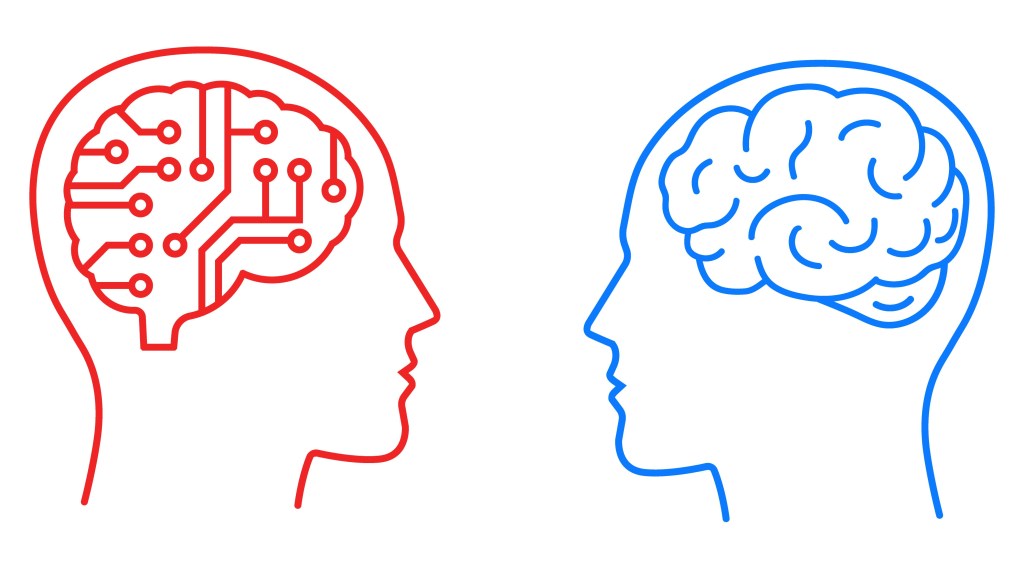
    Have you ever heard a news organization says, “Please verify this yourself, we may be wrong”?

    Traditional media operates within an ecosystem of accountability. When errors occur, corrections are issued. When reporting is premature, reputations are at stake.

    Responsibility has a face, a name, and often a consequence.

    When artificial intelligence presents us with information, our reaction is noticeably different.

    We rarely pause to ask who stands behind the answer.
    We seldom question its lineage with the same intensity.
    Instead, we simply re-generate, refine the prompt, and continue reading.

    Responsibility dissolves into the background.

    This contrast reveals something quietly fascinating about human psychology.

    We tend to fear technologies that threaten the body more than those that influence the mind. Autonomous vehicles make many uneasy because the risks are visible: speed, machinery, physical harm. But when intelligence becomes automated, the risk is less perceptible. There is no dramatic moment, no sensory alarm.

    Only convenience.

    And convenience has always been persuasive.

    Throughout history, tools have extended human capability, and subtly reshaped the humans who use them.

    When the wheel was invented, distance shrank.
    When cars became common, walking gradually declined.
    When elevators spread, stairs became optional.
    When calculators entered classrooms, mental arithmetic faded.

    Each tool expanded our world.
    And each, in return, altered us.

    This is not a lament. It is a pattern.

    Tools amplify strengths, but unused faculties become weaker.

    What we no longer practice, we slowly lose.

    Intelligence outsourcing rarely feels like surrender at the beginning.
    It feels like efficiency.

    Why struggle to recall when something can retrieve the answer instantly?
    Why wrestle with ambiguity when a system can summarize it neatly?

    Technology does not erode human instinct overnight.
    It softens it through comfort.

    Perhaps the greatest risk of intelligent machines is not that they will think for us, but that we may slowly forget how to think without them.

    The question, then, is not whether machines can reason.

    It is whether we will continue to exercise judgment.

    This is not an argument against progress. Human advancement has always depended on the tools we build. Every meaningful invention has reshaped the structure of daily life.

    But tools were never meant to replace discernment.
    They were meant to support it.

    If traditional media is held to high standards of responsibility, it is because human intention remains visible within it. We expect accountability where a face and a name exist.

    When intelligence has no face, our expectations shift.
    Perhaps too easily.

    The responsibility now may not lie solely in regulating systems, but in cultivating awareness within ourselves – to question truthfulness, to verify when it matters, to resist the seduction of friction-less answers.

    Human instinct is not loud. It does not compete with speed or efficiency. But it has long been our quiet safeguard – the inner faculty that senses when something deserves a second look.

    In an age increasingly defined by seamless information, protecting that instinct may matter more than ever.

    The future may belong to intelligent machines.
    But it will depend on whether humans remain thoughtfully awake.
  • The Tools That Respect the Human Mind

    Life is short, use tools that give you more time to think, create, and live.

    We often search for better ideas, better focus, better clarity. However, we rarely ask whether the tools we use are helping or hurting the way we think.

    Good tools do not make us faster. They make us more intentional.

    Here are three simple choices that quietly support better thinking in everyday life.

    1. Writing by Hand: Thinking at the Speed of the Brain

    There is something deeply human about writing with our hands. When we write, we are not just recording words, we are processing thoughts through movement, touch, and rhythm.

    This physical act creates a stronger connection between mind and memory, which often leads to deeper understanding and clearer ideas.

    Typing, on the other hand, is fast. Sometimes too fast. Our fingers can outrun our thinking. Writing slows us down just enough for the brain to catch up.

    And slowing down is often where clarity begins.

    2. Slowness Filters What Truly Matters

    Writing by hand takes effort. You cannot capture everything, and that is exactly the point.

    Limited space and slower speed force us to ask:
    Is this worth writing down?
    How can I summarize so that I can truly understand it?

    There is a story of a lecturer who walked into a classroom filled with students typing on their laptops and said,
    “Please do not type every single thing I say.”

    Moments later, many screens displayed the sentence verbatim:
    “Please do not type every single thing I say.”

    While this is an exaggerated example, it is also painfully familiar.

    When our tools allow us to capture everything verbatim, we stop deciding what matters. But when space is limited, we are forced to make choices. We summarize. We reflect. We prioritize.

    And in that act of choosing, real thinking begins.

    3. Refillable Planners: When You Build It, You Use It

    Flexibility is not just about convenience and practical functionality, it shapes our relationship with the tool. A refillable planner allows you to rearrange pages, add what you need and remove what no longer serves you. It becomes something you actively shape, not just consume.

    There is a concept in psychology called the IKEA Effect. People tend to value things more when they are involved in building them. Even small effort creates emotional attachment. When you assemble your own planner system, it becomes your very own thinking space, not just a product you bought. And when we cherish something, we return to it more often. We engage with it more seriously. Better tools don’t just organize our schedules, they invite us into reflection.

    We think with it, not just write in it.

    Choosing Tools That Give Time Back to Thinking

    Not every tool needs to be fast. Not every system needs to be automated. Sometimes, the best tools are the ones that slow us down just enough to reduce noise and protect our mental space

    Life is short…

    Not because we should rush, but because our attention is precious. When we choose tools that respect how the human mind works, we give ourselves more room to think, more mental capacity to focus, and more time to live with intention.

    In a world that records everything, the ability to choose what matters may be one of the most human skills we have left.