Tag: writing

  • What We Build, We Learn to Value

    On Turning the IKEA Effect into a Quiet Advantage
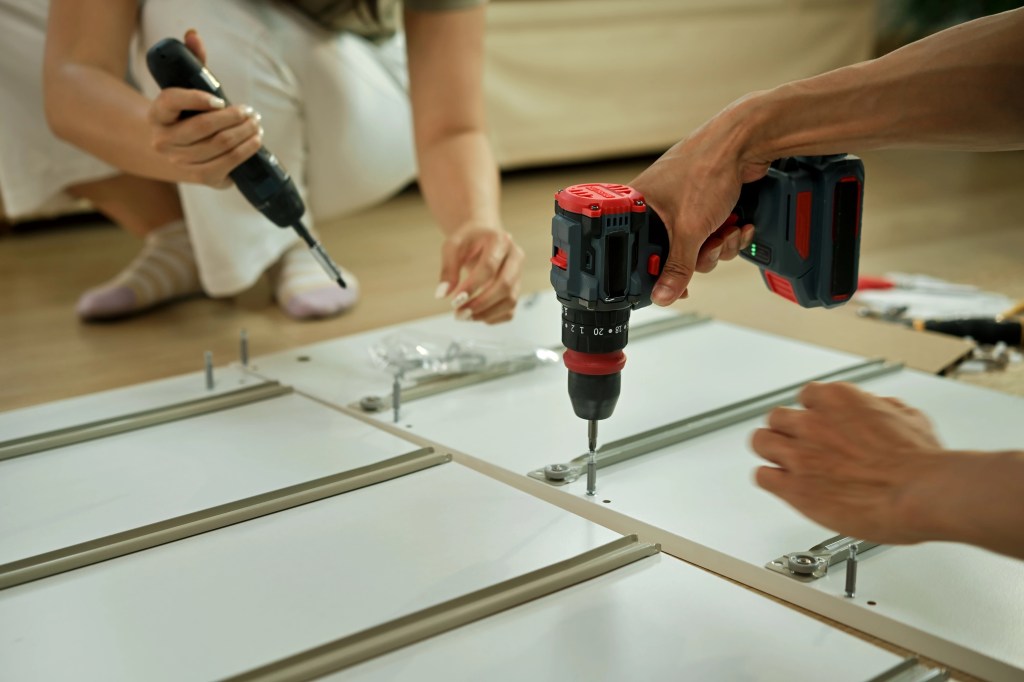
    We often hear about cognitive biases as flaws in human thinking. Tendencies that distort judgment and quietly shape how we assign value.

    Behavioral researchers once observed a curious tendency:
    We often value things more when we help build them.
    This became known as the IKEA Effect.

    At first glance, it appears irrational. Why should a slightly crooked table feel more precious than a perfectly crafted one?
    Simply because we built it ourselves?

    Yet, perhaps this bias is not a weakness to eliminate, but a force to understand, and even to use wisely.

    The Bias Is Not the Problem – Unconscious Living Is

    The danger of the IKEA Effect is not that we value our own work.

    The danger lies in valuing without awareness.

    Left unseen, it can quietly anchor us to things that no longer serve us:

    • Staying too long in projects we should release
    • Defending ideas simply because they are ours
    • Holding onto systems that have outlived their usefulness

    But when recognized, the same psychology becomes something else entirely:

    A quiet generator of meaning.

    Effort changes how the mind assigns value.

    We do not merely appreciate the object, we remember the hours, the decisions, the small acts of persistence embedded within it.

    Value is no longer found only in the outcome.

    It begins to live within the participation itself.

    Why a Refillable Notebook Feels Different

    A disposable notebook is complete the moment it is purchased.

    A refillable notebook is not.

    It asks something of you.

    To choose the paper.
    To rearrange the sections.
    To decide what deserves to be kept, and what can gently be released.

    Over time, the notebook stops being a product.

    It becomes evidence of authorship.

    Not perfection.

    Authorship.

    And authorship invites care.

    This is the IKEA Effect at its quiet best:

    What we help shape, we are less willing to abandon.

    Not because it is expensive, but because it carries traces of our attention.

    Life Is Less Like Buying Furniture and More Like Assembling It

    Modern life tempts us with ready-made paths.

    Optimized routines.
    Predefined success markers.
    Templates for how a life should look.

    Yet the lives that feel most meaningful are rarely pre-assembled.

    They are:

    Adjusted.

    Rebuilt.

    Questioned.

    Refined.

    Sometimes slowly.
    Sometimes messily.
    But always personally.

    The IKEA Effect reminds us of something worth remembering:

    Meaning tends to grow wherever effort has been invested.

    Not all effort is wise, of course. Discernment still matters.

    But a life assembled with care, rather than inherited by default, begins to feel unmistakably like one’s own.

    Turning the Bias Into an Advantage

    Instead of resisting this tendency, we might gently ask:

    Where is effort worth investing?

    A few quiet places come to mind:

    • Designing your own systems rather than copying blindly
    • Writing thoughts instead of only consuming information
    • Building rituals that reflect personal values
    • Revisiting and refining – rather than constantly replacing

    When participation increases, attachment often deepens.

    And sometimes, attachment is precisely what sustains consistency.

    A Gentle Caution

    There is wisdom in remembering that not everything we build is meant to be kept. Growth occasionally requires disassembly.

    Yet the same effort that teaches us to value what we create can also make it harder to release what no longer serves us. Psychologists describe this as the sunk cost fallacy – our quiet reluctance to let go after investing time, energy, or care.

    What begins as meaningful participation can slowly turn into unnecessary attachment. The goal, then, is not stubborn holding, but conscious authorship.

    To care for what remains life-giving, and to release with clarity when the time comes.

    Closing Reflection

    Perhaps the IKEA Effect is not a psychological flaw after all.

    Perhaps it is a quiet invitation:

    To move from consumer to participant.
    From receiver to creator.

    Because what we help build, we are far more likely to value.

    And what we value we are far more likely to tend to.

    In the end, perhaps the goal is not to build perfectly, but to build consciously, so that what we shape, quietly shapes us in return.

  • The Tools That Respect the Human Mind

    Life is short, use tools that give you more time to think, create, and live.

    We often search for better ideas, better focus, better clarity. However, we rarely ask whether the tools we use are helping or hurting the way we think.

    Good tools do not make us faster. They make us more intentional.

    Here are three simple choices that quietly support better thinking in everyday life.

    1. Writing by Hand: Thinking at the Speed of the Brain

    There is something deeply human about writing with our hands. When we write, we are not just recording words, we are processing thoughts through movement, touch, and rhythm.

    This physical act creates a stronger connection between mind and memory, which often leads to deeper understanding and clearer ideas.

    Typing, on the other hand, is fast. Sometimes too fast. Our fingers can outrun our thinking. Writing slows us down just enough for the brain to catch up.

    And slowing down is often where clarity begins.

    2. Slowness Filters What Truly Matters

    Writing by hand takes effort. You cannot capture everything, and that is exactly the point.

    Limited space and slower speed force us to ask:
    Is this worth writing down?
    How can I summarize so that I can truly understand it?

    There is a story of a lecturer who walked into a classroom filled with students typing on their laptops and said,
    “Please do not type every single thing I say.”

    Moments later, many screens displayed the sentence verbatim:
    “Please do not type every single thing I say.”

    While this is an exaggerated example, it is also painfully familiar.

    When our tools allow us to capture everything verbatim, we stop deciding what matters. But when space is limited, we are forced to make choices. We summarize. We reflect. We prioritize.

    And in that act of choosing, real thinking begins.

    3. Refillable Planners: When You Build It, You Use It

    Flexibility is not just about convenience and practical functionality, it shapes our relationship with the tool. A refillable planner allows you to rearrange pages, add what you need and remove what no longer serves you. It becomes something you actively shape, not just consume.

    There is a concept in psychology called the IKEA Effect. People tend to value things more when they are involved in building them. Even small effort creates emotional attachment. When you assemble your own planner system, it becomes your very own thinking space, not just a product you bought. And when we cherish something, we return to it more often. We engage with it more seriously. Better tools don’t just organize our schedules, they invite us into reflection.

    We think with it, not just write in it.

    Choosing Tools That Give Time Back to Thinking

    Not every tool needs to be fast. Not every system needs to be automated. Sometimes, the best tools are the ones that slow us down just enough to reduce noise and protect our mental space

    Life is short…

    Not because we should rush, but because our attention is precious. When we choose tools that respect how the human mind works, we give ourselves more room to think, more mental capacity to focus, and more time to live with intention.

    In a world that records everything, the ability to choose what matters may be one of the most human skills we have left.

  • Time – Kept for yourself

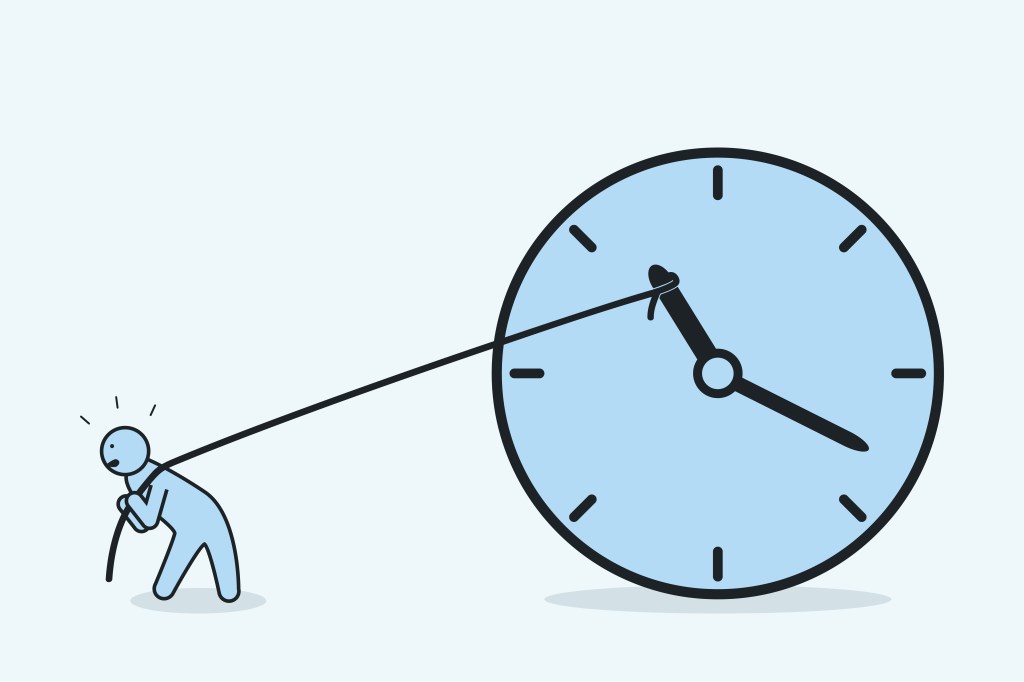
    Time is the most equitably distributed asset that every individual possesses, unaffected by societal status or wealth. Each of us has the same 24 hours in a day. No more, no less. Yet, it’s common to find ourselves pondering, “After being busy all day, what have I actually achieved?” or wishing for “just one more hour in the day,” and questioning, “Where has my time gone?”

    This reflection was inspired by the Chinese song “Where Has the Time Gone?” (时间都去那儿了?Shí jiān dōu qù nǎ le) performed by Reno Wang. It stirred within me the desire to share these thoughts and the often untapped potential of your diary.

    While keeping the original meaning intact, I’ve made slight adjustments to improve readability in English.

    Here is an extract of the song:
    Where has the time gone?
    Before we could fully experience youth, we've aged
    Raising sons and daughters for a lifetime
    Has filled my mind with the cries and laughter of children

    As the father of a 3-year-old boy, I have often heard people from all walks of life remark, “Kids grow up so quickly,” and suddenly, they’re adults before you realize it. This sentiment didn’t fully resonate with me until my son turned three in what felt like the blink of an eye. When you think about it, if children grow up ‘fast’, it implies that our parents age ‘fast’ as well.

    So do we.

    Yet, ‘fast’ is subjective. Given that ‘time’ ticks at a uniform rate for everyone, how does the concept of ‘fast’ emerge? The explanations include investing excessive time and energy in others, neglecting personal ‘me-time’ to genuinely savor moments alone, and engaging in unnecessary activities or simply squandering time.

    This realization led me to reflect on how I’ve been spending my time, and how I might want to spend it more intentionally in the future.

    Actionable advice:

    1. Review

    Flip through your monthly, weekly, or daily pages and observe your usual days. Are they filled with meaningful tasks, unavoidable responsibilities, or activities that keep you busy but leave you feeling empty?

    Do these activities drain your energy or nourish your spirit?

    2. Remove

    Highlight the activities that are “not good” for you, and list them on a note page. This becomes your personal “avoid” page — a reminder of what to say no to in the future.

    3. Revitalize

    Next, use a year planner (usually one page for the whole year with small daily grids) and mark the days, dates, and occasions that truly matter to you and are fixed. For example, birthdays and anniversaries.

    These are not just reminders; they are non-negotiable time you’ve intentionally kept for yourself and your loved ones. So the next time an invitation comes in, instead of accepting it spontaneously over the phone or through a quick message, take a step back and flip through your planner. Ask yourself: Is this a time I’ve already reserved for myself, or is it truly a free slot? This small pause helps you make decisions more consciously, and protects the moments that matter most to you.

    The key word here is: truly matters.
    Remember, this is your time, kept for yourself.

    Tip:
    We recommend using a refillable diary planner, so you can move your “avoid” page to any section of your book, keeping that reminder close, whenever you need it.

    Summary
    In the end, a diary is not just a place to record what you have done, it is a space to remember what truly matters to you. When you review, remove, and revitalize how you spend your days, you begin to live more intentionally, not just busily. So before time slips quietly past again, pause, reflect, and choose what deserves a place in your life.

    Make time for yourself, because your time is your life.

    If any part of this reflection resonates with you, or if you have any questions, please feel free to reach out, I’d be more than happy to connect.