On Turning the IKEA Effect into a Quiet Advantage
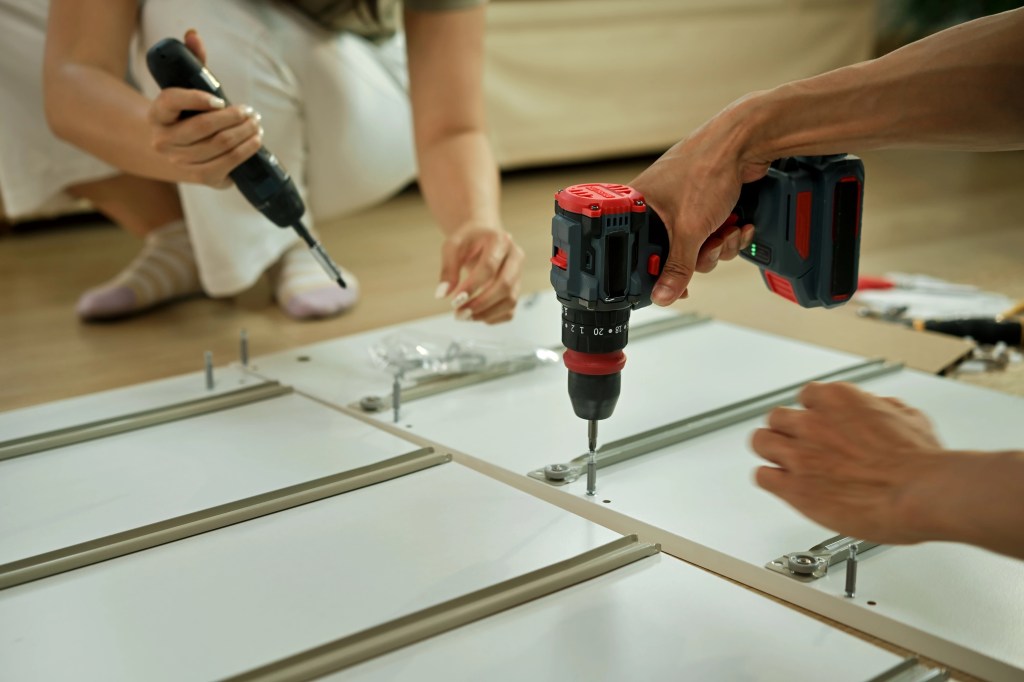
We often hear about cognitive biases as flaws in human thinking. Tendencies that distort judgment and quietly shape how we assign value.
Behavioral researchers once observed a curious tendency:
We often value things more when we help build them.
This became known as the IKEA Effect.
At first glance, it appears irrational. Why should a slightly crooked table feel more precious than a perfectly crafted one?
Simply because we built it ourselves?
Yet, perhaps this bias is not a weakness to eliminate, but a force to understand, and even to use wisely.
The Bias Is Not the Problem – Unconscious Living Is
The danger of the IKEA Effect is not that we value our own work.
The danger lies in valuing without awareness.
Left unseen, it can quietly anchor us to things that no longer serve us:
- Staying too long in projects we should release
- Defending ideas simply because they are ours
- Holding onto systems that have outlived their usefulness
But when recognized, the same psychology becomes something else entirely:
A quiet generator of meaning.
Effort changes how the mind assigns value.
We do not merely appreciate the object, we remember the hours, the decisions, the small acts of persistence embedded within it.
Value is no longer found only in the outcome.
It begins to live within the participation itself.
Why a Refillable Notebook Feels Different
A disposable notebook is complete the moment it is purchased.
A refillable notebook is not.
It asks something of you.
To choose the paper.
To rearrange the sections.
To decide what deserves to be kept, and what can gently be released.
Over time, the notebook stops being a product.
It becomes evidence of authorship.
Not perfection.
Authorship.
And authorship invites care.
This is the IKEA Effect at its quiet best:
What we help shape, we are less willing to abandon.
Not because it is expensive, but because it carries traces of our attention.
Life Is Less Like Buying Furniture and More Like Assembling It
Modern life tempts us with ready-made paths.
Optimized routines.
Predefined success markers.
Templates for how a life should look.
Yet the lives that feel most meaningful are rarely pre-assembled.
They are:
Adjusted.
Rebuilt.
Questioned.
Refined.
Sometimes slowly.
Sometimes messily.
But always personally.
The IKEA Effect reminds us of something worth remembering:
Meaning tends to grow wherever effort has been invested.
Not all effort is wise, of course. Discernment still matters.
But a life assembled with care, rather than inherited by default, begins to feel unmistakably like one’s own.
Turning the Bias Into an Advantage
Instead of resisting this tendency, we might gently ask:
Where is effort worth investing?
A few quiet places come to mind:
- Designing your own systems rather than copying blindly
- Writing thoughts instead of only consuming information
- Building rituals that reflect personal values
- Revisiting and refining – rather than constantly replacing
When participation increases, attachment often deepens.
And sometimes, attachment is precisely what sustains consistency.
A Gentle Caution
There is wisdom in remembering that not everything we build is meant to be kept. Growth occasionally requires disassembly.
Yet the same effort that teaches us to value what we create can also make it harder to release what no longer serves us. Psychologists describe this as the sunk cost fallacy – our quiet reluctance to let go after investing time, energy, or care.
What begins as meaningful participation can slowly turn into unnecessary attachment. The goal, then, is not stubborn holding, but conscious authorship.
To care for what remains life-giving, and to release with clarity when the time comes.
Closing Reflection
Perhaps the IKEA Effect is not a psychological flaw after all.
Perhaps it is a quiet invitation:
To move from consumer to participant.
From receiver to creator.
Because what we help build, we are far more likely to value.
And what we value we are far more likely to tend to.
In the end, perhaps the goal is not to build perfectly, but to build consciously, so that what we shape, quietly shapes us in return.
 Futuring Note
Leave a reply to The Tools That Respect the Human Mind – Futuring Note Cancel reply